
Back pain has quietly become one of the most common problems in modern life. Whether you sit for long hours at work, travel daily, lift heavy objects, or simply move less than your body needs, your spine often pays the price. For some people, the pain is occasional and dull. For others, it becomes sharp, constant, and frightening—especially when terms like slipped disc or disc bulge enter the conversation.
The good news is this: many people find long-term relief from back pain and slipped disc issues through regular, gentle yoga practice. Yoga does not promise instant miracles, but it offers something far more valuable—slow, steady healing that respects your body’s limits.
This blog explains how yoga helps back pain and slipped disc, which yoga exercises are safe, and how you can practice them at home in a calm, realistic way.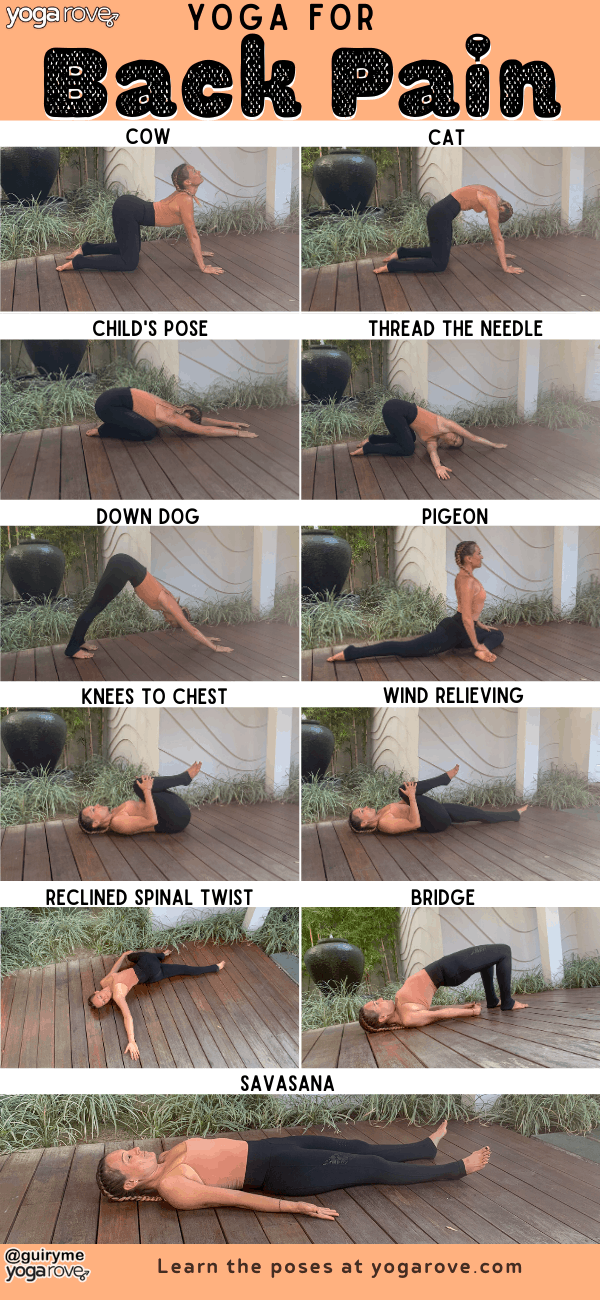
Understanding Back Pain and Slipped Disc in Simple Words
Your spine is made of bones called vertebrae. Between each vertebra is a soft cushion called a disc. These discs act like shock absorbers and help you move freely
A slipped disc (also called disc bulge or disc herniation) happens when one of these cushions moves out of its normal position or presses on nearby nerves. This can cause:
- Lower back pain
- Pain that travels to the leg or hip
- Stiffness after sitting or sleeping
- Tingling or numbness
- Difficulty bending or standing for long
Most slipped disc cases do not need surgery. Doctors often recommend rest, posture correction, light movement, and physiotherapy. Yoga, when done correctly, works in the same supportive way.
Why Yoga Works for Back Pain and Disc Problems
Yoga is not about forcing the body into difficult shapes. For back pain, yoga works because it focuses on three key principles:
1. Gentle Movement
Back pain often worsens when the spine becomes stiff. Yoga keeps the spine moving gently without sudden stress.
2. Muscle Strength and Support
Weak back and core muscles force the spine to work harder. Yoga slowly strengthens these muscles, reducing pressure on discs.
3. Relaxation and Healing
Pain increases when the body is tense. Yoga breathing calms the nervous system, helping muscles relax and heal naturally.
Unlike intense workouts, yoga respects pain signals. It teaches you to move with your body, not against it.
Important Safety Rules Before You Start
If you have severe pain, recent injury, or doctor-diagnosed disc problems, keep these rules in mind:
- Never practice through sharp or shooting pain
- Avoid sudden twists and deep forward bends
- Move slowly and mindfully
- Stop immediately if pain increases
- Practice on an empty stomach
- Use a mat or soft surface
Yoga for back pain is about comfort, not flexibility.
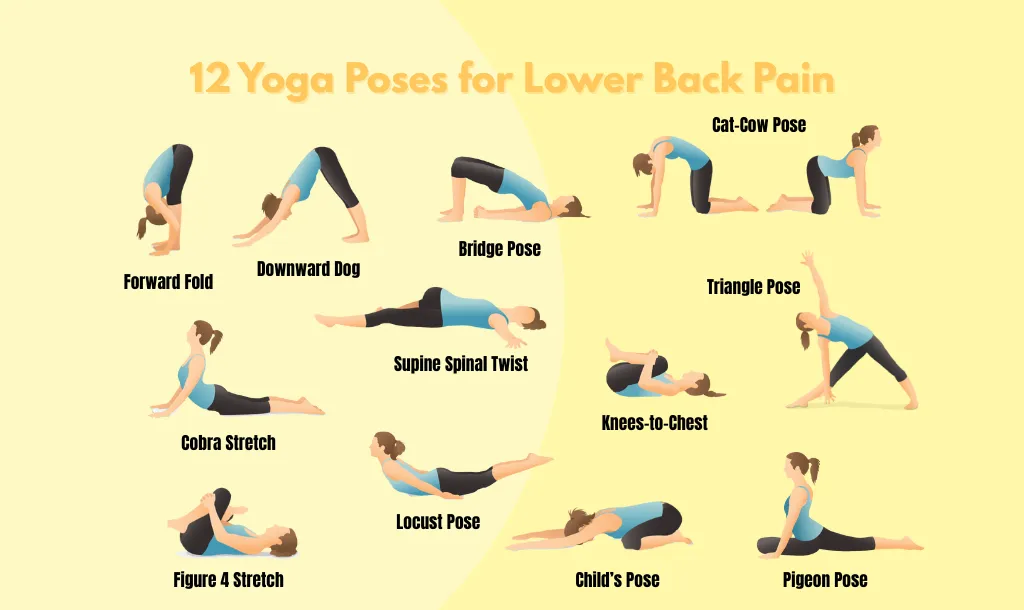
1. Cat–Cow Pose (Marjaryasana–Bitilasana)

This is one of the safest and most effective poses for spinal health.
How it helps:
- Improves spine flexibility
- Reduces stiffness
- Increases blood flow to discs
- Relieves morning back pain
How to do it:
- Come on all fours, hands under shoulders, knees under hips
- Inhale, gently drop your belly and lift your head (Cow)
- Exhale, round your spine and tuck your chin (Cat)
- Move slowly with your breath
Repeat 8–10 times.
This pose is especially helpful when done in the morning or after long sitting hours.
2. Child’s Pose (Balasana)

Child’s Pose is deeply calming and restorative.
How it helps:
- Gently stretches the lower back
- Relaxes spinal muscles
- Reduces nerve pressure
- Helps with stress-related back pain
How to do it:
- Kneel down and sit on your heels
- Bend forward, resting your forehead on the mat
- Extend arms forward or keep them beside you
- Breathe deeply
Stay for 30 seconds to 1 minute.
If bending forward is uncomfortable, place a pillow under your chest.
3. Cobra Pose (Bhujangasana – Gentle Version)

This pose is often recommended for disc-related issues when done carefully.
How it helps:
- Strengthens lower back
- Improves disc nourishment
- Reduces stiffness
- Supports spinal extension
How to do it: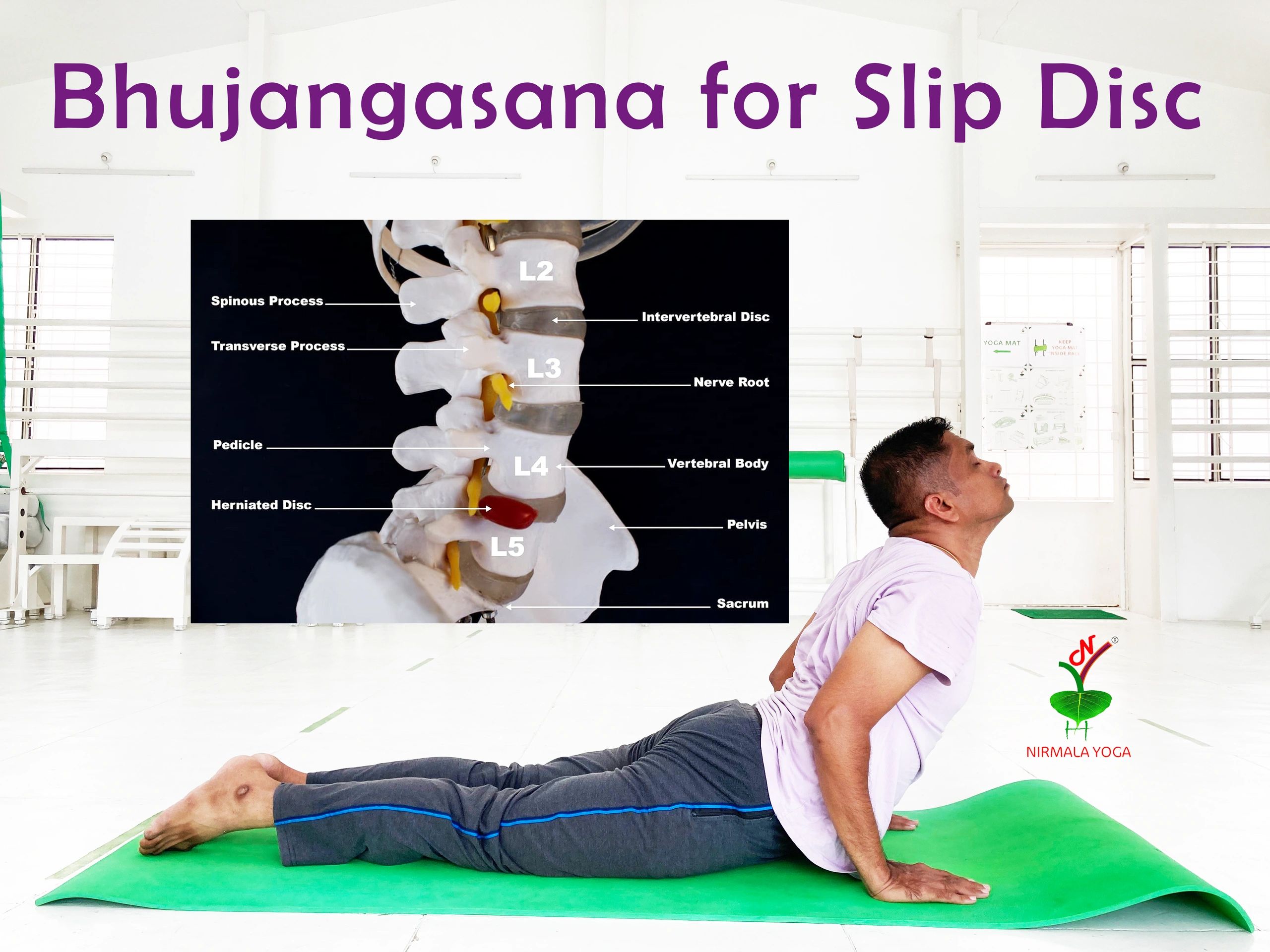
- Lie on your stomach
- Place palms near your chest
- Inhale and gently lift your chest
- Keep elbows slightly bent
- Do not force the lift
Hold for 10–15 seconds. Repeat 3–4 times.
Avoid this pose if it causes pain. Gentle is key.
4. Supine Spinal Twist (Gentle)
Twists should always be mild for disc problems.
How it helps:
- Relieves tension
- Improves spinal mobility
- Reduces nerve compression
How to do it:
- Lie on your back
- Bend one knee and gently drop it to the side
- Keep shoulders relaxed
- Look in the opposite direction
Hold for 20–30 seconds on each side
5. Bridge Pose (Setu Bandhasana)

This pose strengthens the back without pressure.
How it helps:
- Builds spinal support
- Strengthens glutes and lower back
- Improves posture
How to do it:
- Lie on your back with knees bent
- Feet hip-width apart
- Lift hips slowly
- Keep breathing normally
Hold for 15–20 seconds. Repeat 3 times.
6. Knees-to-Chest Pose (Apanasana)
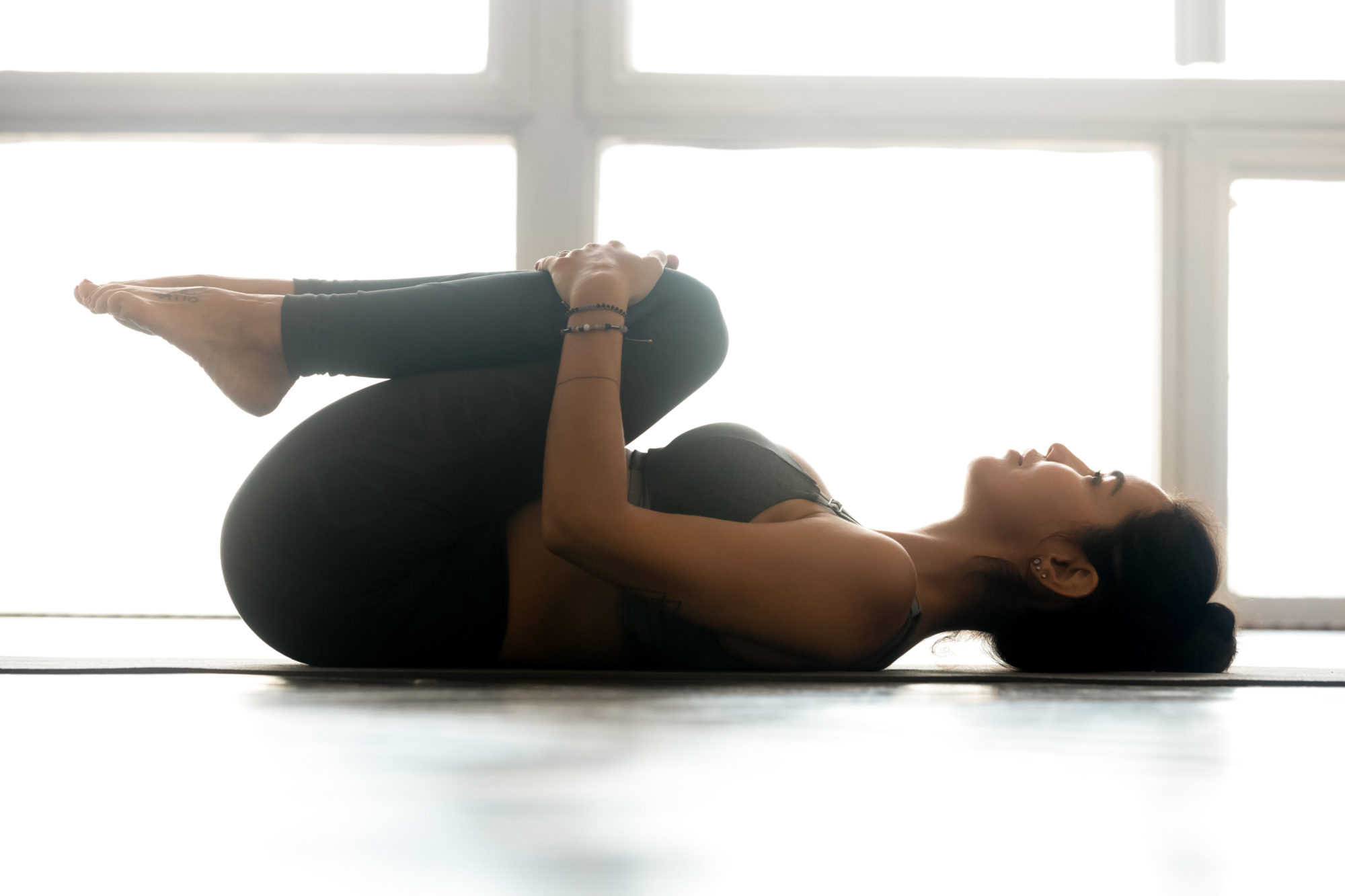
A simple yet powerful pose.
How it helps:
- Releases lower back tension
- Improves circulation
- Reduces stiffness before sleep
How to do it: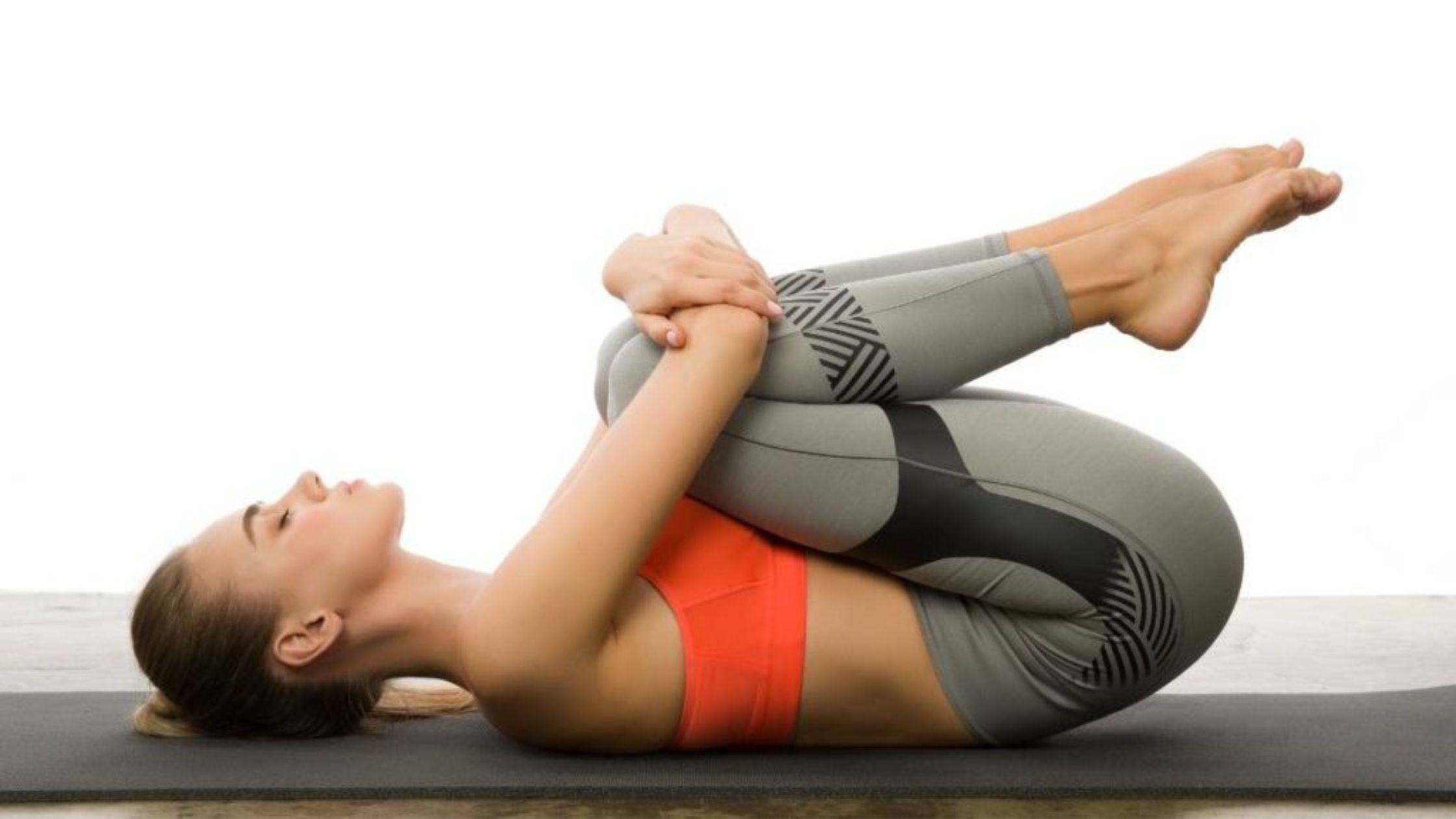
- Lie on your back
- Bring knees toward chest
- Hug gently
- Rock slightly if comfortable
Stay for 30–40 seconds.
Yoga Breathing for Back Pain Healing
Breathing is often ignored, but it plays a big role in pain relief.
Deep Belly Breathing
- Reduces muscle tightness
- Calms nerves
- Improves healing
Practice slow breathing for 5 minutes after yoga.
Best Time to Practice Yoga for Back Pain
- Morning: Reduces stiffness and prepares the spine
- Evening: Releases stress and improves sleep
- Before bed: Gentle poses help relax muscles
Choose a time you can follow consistently.
How Long Before You See Results?
Yoga is not instant pain relief like medicine. Most people notice:
- Reduced stiffness in 7–10 days
- Improved movement in 3–4 weeks
- Better sleep and posture in 6–8 weeks
Consistency matters more than duration.
Common Mistakes to Avoid
- Copying advanced poses from social media
- Holding breath during poses
- Ignoring pain signals
- Practicing on hard floors
- Expecting overnight recovery
Healing takes patience.
Lifestyle Tips to Support Yoga Healing
- Sit with back support
- Avoid long sitting without breaks
- Sleep on a firm mattress
- Drink enough water
- Walk daily for 15–20 minutes
Yoga works best when combined with healthy habits.
Final Thoughts: Healing Is Possible
Living with back pain or slipped disc can feel frustrating and limiting. Simple activities like sitting, walking, or sleeping become challenging. Yoga offers a gentle path back to comfort—not by fighting pain, but by understanding the body.
When practiced regularly and patiently, yoga helps reduce pain, improve movement, and restore confidence in your body. You do not need perfection. You only need consistency and kindness toward yourself.
Start small. Move slowly. Breathe deeply.
Your spine will thank you


Informative
ReplyDelete