
In today’s fast-moving life, stress and anxiety have become almost normal. From work pressure and financial responsibilities to family expectations and constant phone notifications, the mind rarely gets a chance to rest. Many people in India wake up already feeling tired, anxious, or irritated, even after sleeping for many hours. This mental overload slowly affects our health, relationships, and happiness. That is where yoga becomes not just an exercise, but a way of living that brings balance, calmness, and mental peace.

Yoga is not something new or foreign to us. It has been part of Indian culture for thousands of years. Our ancestors practiced yoga not for fitness alone, but to keep the mind peaceful and emotions stable. Today, science also supports what yogis knew long ago: yoga helps reduce stress, calm anxiety, and improve mental clarity. The best part is that yoga does not need expensive equipment, gym memberships, or extreme physical strength. Anyone can practice yoga, regardless of age or fitness level.
Why Stress and Anxiety Are Increasing Today
Stress is the body’s reaction to pressure. Anxiety is the constant fear or worry about the future. In small amounts, stress can be useful, but when it becomes daily and long-term, it starts damaging the body and mind. Many people in India experience stress due to job insecurity, traffic, competition, social comparison on social media, and lack of personal time. Anxiety often shows up as restlessness, negative thinking, fast heartbeat, sweating, or fear without a clear reason.
Modern lifestyle habits also increase mental pressure. Irregular sleep, junk food, too much screen time, and lack of physical movement disturb the nervous system. When the mind is always busy and the body is always tired, mental peace disappears. Yoga works on both the body and mind together, which is why it is very effective for stress and anxiety management.
How Yoga Helps in Stress Relief and Mental Peace
Yoga works slowly but deeply. It affects the nervous system, hormones, breathing pattern, and thought process. When you practice yoga regularly, your breathing becomes slower and deeper. This sends a signal to the brain that everything is safe and under control. As a result, stress hormones reduce, and calmness increases.
Yoga also teaches awareness. Instead of running away from thoughts, yoga helps you observe them without judgment. Over time, this reduces overthinking and emotional reactions. Stretching postures release physical tension stored in the body, especially in the neck, shoulders, and lower back, which are common stress areas. Meditation and relaxation practices help the mind become quiet and focused, bringing a feeling of inner peace.
Yoga Asanas for Stress and Anxiety Relief
Certain yoga postures are especially helpful in calming the mind and reducing anxiety. These poses relax the nervous system and improve blood flow to the brain. One of the simplest poses is Sukhasana, or the easy sitting pose. Sitting comfortably with the spine straight and eyes closed helps calm racing thoughts. Even five minutes of still sitting can reduce mental noise.
Balasana, also known as child’s pose, is very effective for emotional release. It gently stretches the back and hips while giving a feeling of safety and comfort. This pose is especially helpful when you feel overwhelmed or emotionally heavy. Another useful posture is Paschimottanasana, or seated forward bend, which calms the brain and stretches the spine. It helps reduce fatigue and mild depression.
Viparita Karani, or legs-up-the-wall pose, is excellent for people who feel anxious or restless at night. Lying down with legs raised improves blood circulation and relaxes the nervous system. This pose is safe and can be practiced before sleep for deep relaxation.
Breathing Techniques for Instant Calm
Breathing is directly connected to the mind. When you are anxious, your breath becomes fast and shallow. When you are calm, your breath is slow and deep. Yoga uses this connection through pranayama, or breathing techniques, to control stress and anxiety.
Anulom Vilom is one of the best breathing practices for mental balance. It involves breathing through alternate nostrils, which helps balance both sides of the brain. Practicing this for ten minutes daily can reduce anxiety, improve focus, and stabilize emotions. Bhramari pranayama, also known as humming bee breath, is very powerful for instant relaxation. The gentle humming sound calms the nerves and reduces anger, fear, and stress.
Deep belly breathing is another simple but effective method. By breathing slowly into the stomach instead of the chest, the body enters relaxation mode. This technique can be practiced anywhere, even at work or before an important meeting.
Meditation for Mental Peace and Emotional Stability
Meditation is the heart of yoga for mental peace. It is not about stopping thoughts, but about observing them without getting involved. In the beginning, meditation may feel difficult because the mind is used to constant activity. But with regular practice, the mind slowly learns to settle down.
Simple mindfulness meditation involves sitting quietly and focusing on the breath. When thoughts come, gently bring attention back to breathing. This practice trains the mind to stay in the present moment instead of worrying about the past or future. Loving-kindness meditation is another powerful method where you silently send good wishes to yourself and others. This reduces negative emotions and increases emotional strength.
Even five to ten minutes of daily meditation can make a big difference in mental health. Over time, you may notice improved patience, better sleep, and a more positive outlook on life.
Yoga Nidra for Deep Relaxation
Yoga Nidra, also called yogic sleep, is a guided relaxation technique that brings the body into deep rest while the mind stays aware. It is extremely helpful for people suffering from chronic stress, anxiety, and sleep problems. During Yoga Nidra, you lie down comfortably and follow verbal instructions that relax each part of the body and mind.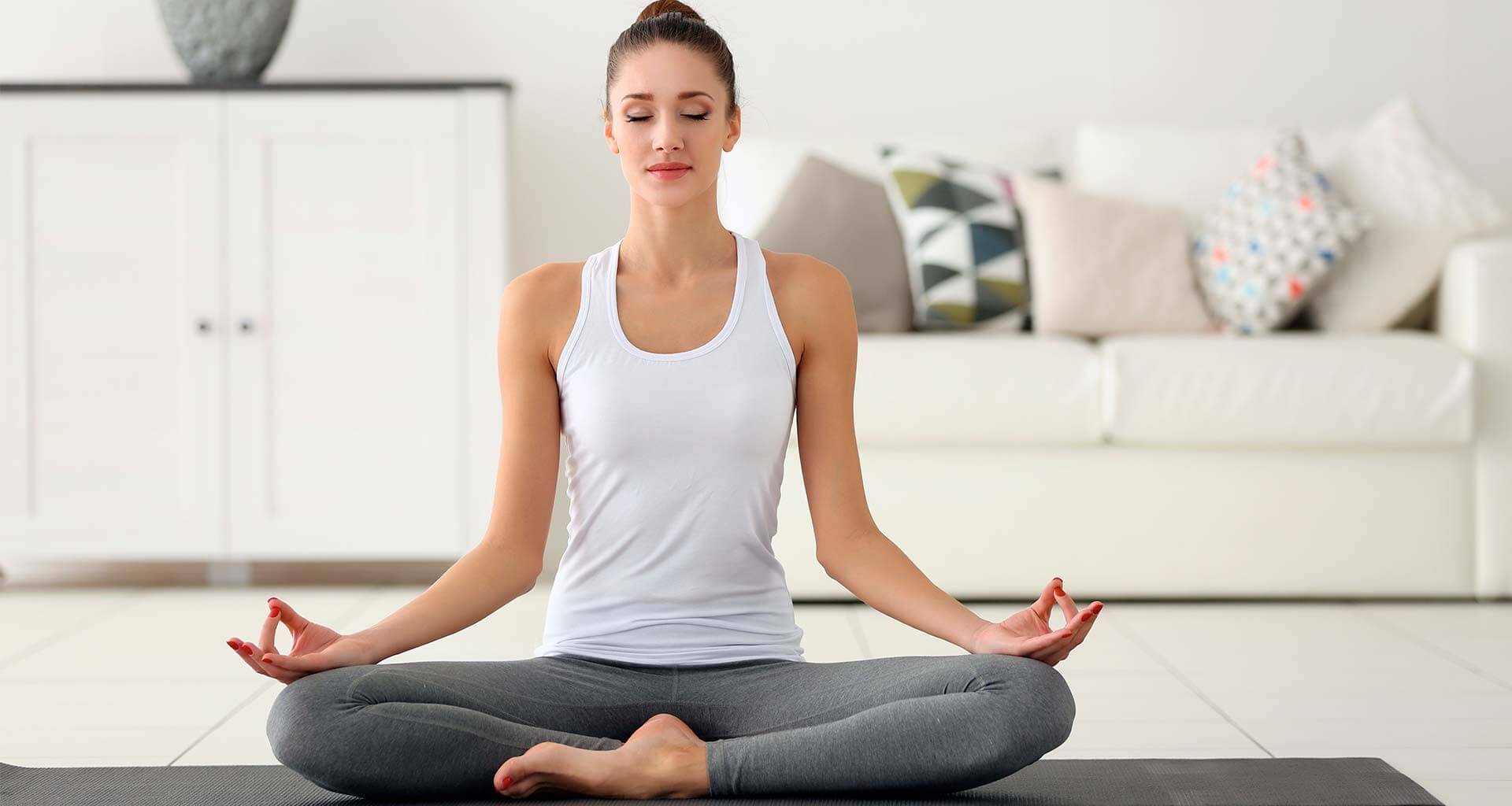
This practice releases deep mental tension and emotional blockages. Many people feel refreshed after a single session of Yoga Nidra, as if they have slept for many hours. Practicing Yoga Nidra two to three times a week can significantly improve mental peace and emotional balance.
Daily Yoga Routine for Stress-Free Life
You do not need to practice yoga for hours. A simple daily routine of 20 to 30 minutes is enough. Start with gentle stretching to release stiffness, followed by a few calming asanas. Then practice pranayama for ten minutes and end with meditation or relaxation.
Morning yoga helps set a positive tone for the day, while evening yoga helps release stress accumulated during work. Consistency is more important than intensity. Even simple practices done regularly bring long-term benefits for mental health.
Lifestyle Tips Along with Yoga
Yoga works best when combined with a balanced lifestyle. Eating fresh, homemade food supports mental clarity. Reducing caffeine, sugar, and junk food helps control anxiety. Proper sleep, limited screen time, and spending time in nature also support mental peace.
Practicing gratitude and positive thinking further strengthens the effects of yoga. When the mind learns to focus on what is good, stress automatically reduces. Yoga is not just something you do on the mat; it slowly becomes a part of your daily life.
Benefits of Yoga for Stress, Anxiety & Mental Peace
Regular yoga practice reduces stress hormones and improves mood. It helps control anxiety without side effects. Yoga improves sleep quality, increases energy levels, and enhances emotional stability. Over time, it builds inner strength and confidence, helping you face life’s challenges calmly. Yoga also improves concentration and decision-making, making daily life smoother and more balanced.
Frequently Asked Questions (FAQ)
Is yoga really effective for stress and anxiety?
Yes, yoga is scientifically proven to reduce stress and anxiety by calming the nervous system and improving emotional balance.
How long does it take to see results from yoga?
Many people feel relaxed from the first session. Long-term benefits usually appear within a few weeks of regular practice.
Can beginners practice yoga for mental peace?
Absolutely. Yoga for stress relief is gentle and suitable for beginners of all ages.
Which is better for anxiety, yoga or meditation?
Both work best together. Yoga relaxes the body, and meditation calms the mind.
Can yoga replace medicine for anxiety?
Yoga can support mental health naturally, but medical advice should be followed if symptoms are severe.
Conclusion
Yoga for stress, anxiety, and mental peace is not a quick fix, but a lifelong solution. It gently trains the body and mind to stay calm, balanced, and strong. In a world full of noise and pressure, yoga gives you a quiet space within yourself. With regular practice, patience, and self-care, yoga can help you live a peaceful, healthy, and joyful life from the inside out.


