
Pregnancy is a beautiful and life-changing journey. Along with joy and excitement, it also brings many physical and emotional changes. Back pain, tiredness, swelling, mood swings, stress, and sleep problems are common during pregnancy. This is where yoga for pregnant women, also known as prenatal yoga, becomes very helpful.

Yoga is a gentle and natural way to keep the body active, calm the mind, and prepare for childbirth. When practiced correctly and safely, yoga supports both the mother and the growing baby. This blog explains safe yoga exercises for pregnant women, their benefits, precautions, and simple routines that can be followed at home.
Why Yoga Is Important During Pregnancy
During pregnancy, a woman’s body goes through many changes. Hormones change, weight increases, posture shifts, and emotions can feel intense. Yoga helps manage these changes gently.
Here are some key reasons why yoga is beneficial during pregnancy:
- Improves blood circulation
- Reduces back pain and joint stiffness
- Improves digestion and reduces constipation
- Helps control weight gain naturally
- Reduces stress, fear, and anxiety
- Improves sleep quality
- Strengthens muscles needed for delivery
- Improves breathing and relaxation
Yoga is not about hard exercise during pregnancy. It is about slow movements, deep breathing, stretching, and relaxation.
Is Yoga Safe for Pregnant Women?
Yes, yoga is generally safe during pregnancy if done correctly. However, every pregnancy is different. Some women may have medical conditions like high blood pressure, diabetes, or a history of miscarriage.
Before starting yoga:
- Always consult your doctor
- Inform your yoga instructor that you are pregnant
- Avoid advanced or hot yoga styles
- Listen to your body and stop if uncomfortable
Prenatal yoga is designed to be safe and gentle.
Best Time to Start Yoga During Pregnancy

Many women can start yoga from the second trimester (after 12 weeks). The first trimester is sensitive, and the body needs rest. However, women who practiced yoga before pregnancy can continue with guidance.
Yoga can be practiced until the last month of pregnancy, but movements should become slower and more supportive.
General Rules for Prenatal Yoga
Before learning specific poses, it is important to understand some basic rules:
- Do not hold your breath
- Avoid lying flat on your back after the first trimester
- Avoid twisting deeply
- Avoid jumping or fast movements
- Use support like pillows or blocks
- Keep breathing slow and relaxed
- Stop if you feel pain, dizziness, or discomfort
Comfort and safety are more important than perfection.
Breathing Exercises for Pregnant Women

Breathing exercises are one of the safest and most helpful parts of yoga during pregnancy.
1. Deep Belly Breathing
This breathing technique relaxes the nervous system and increases oxygen supply.
How to do it:
- Sit comfortably with straight back
- Place one hand on the belly
- Inhale slowly through the nose, feel the belly expand
- Exhale slowly and gently
- Repeat for 5–10 minutes
Benefits:
- Reduces anxiety
- Improves oxygen flow to baby
- Helps during labor
2. Alternate Nostril Breathing (Gentle Version)
This breathing helps calm the mind.
How to do it:
- Sit comfortably
- Close one nostril and inhale
- Switch nostrils and exhale
- Do slowly without holding breath
Benefits:
- Improves focus
- Reduces stress
- Balances emotions
Avoid breath retention during pregnancy.
Gentle Yoga Poses for Pregnant Women
1. Cat and Cow Pose
This pose improves flexibility in the spine and reduces back pain.
How to do it:
- Come on hands and knees
- Inhale and gently lift chest
- Exhale and round the back
- Move slowly with breath
Benefits:
- Reduces lower back pain
- Improves posture
- Relieves stiffness
2. Butterfly Pose
This pose opens the hips and improves blood circulation.
How to do it:
- Sit on the floor
- Join soles of feet together
- Hold ankles and gently move knees up and down
- Keep spine straight
Benefits:
- Strengthens pelvic muscles
- Helps during delivery
- Reduces leg cramps
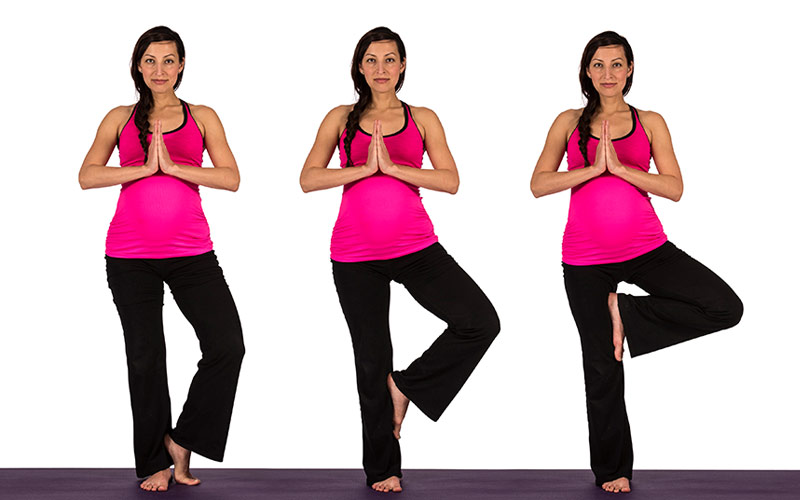
3. Tree Pose (With Support)
This improves balance and focus.
How to do it:
- Stand near a wall
- Place one foot on ankle or calf (not knee)
- Join hands at chest
- Breathe normally
Benefits:
- Improves balance
- Strengthens legs
- Builds confidence
4. Child’s Pose (Modified)
This pose relaxes the body and mind.
How to do it:
- Kneel down with knees wide
- Lean forward slowly
- Support belly with pillow
- Relax and breathe
Benefits:
- Relieves back tension
- Calms the mind
- Improves breathing
Yoga for Back Pain During Pregnancy

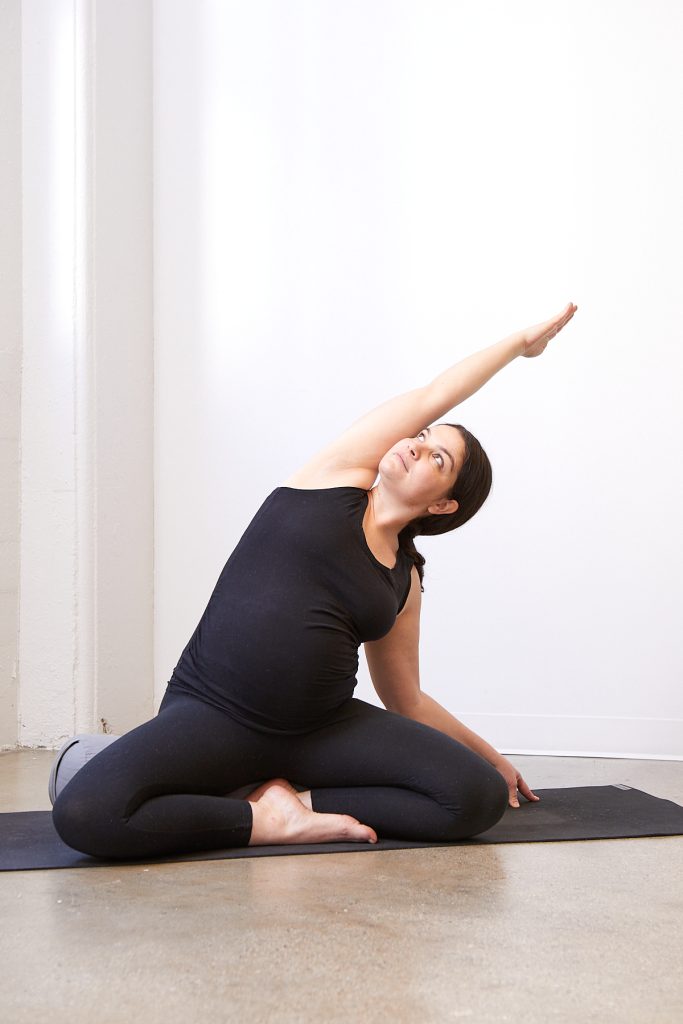
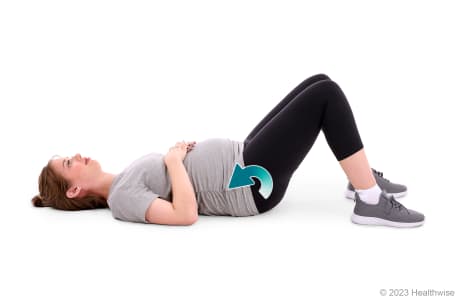
Back pain is very common during pregnancy. Gentle yoga helps reduce pressure on the spine.
Helpful poses include:
- Cat–Cow pose
- Seated side stretch
- Pelvic tilt
- Supported child’s pose
Practice slowly and daily for better relief.
Yoga for Better Sleep During Pregnancy
Many pregnant women struggle with sleep problems. Yoga helps relax the body and calm the mind before bedtime.
Helpful practices:
- Deep breathing
- Gentle stretching
- Short meditation
- Listening to calm music
Avoid active yoga at night. Keep it slow and relaxing.
Mental and Emotional Benefits of Prenatal Yoga
Pregnancy affects emotions deeply. Fear, stress, and mood swings are common.
Yoga helps by:
- Improving emotional balance
- Reducing fear of childbirth
- Building connection with baby
- Increasing self-confidence
Many women feel more positive and peaceful after regular yoga practice.
Yoga and Bonding With the Baby
Prenatal yoga is not only physical exercise. It helps mothers connect emotionally with their baby. Slow breathing and awareness help the mother feel baby movements and develop a loving bond.
Talking or singing softly during yoga enhances this connection.
Simple Prenatal Yoga Routine (20–30 Minutes)
A basic daily routine may include:
- Sitting breathing – 5 minutes
- Cat–Cow – 5 minutes
- Butterfly pose – 5 minutes
- Tree pose – 3 minutes
- Child’s pose – 5 minutes
- Relaxation – 5 minutes
Practice on an empty stomach or at least 3 hours after meals.
Yoga Poses to Avoid During Pregnancy
Some yoga poses are not safe during pregnancy:
- Deep twists
- Backbends
- Headstand or shoulder stand
- Jumping poses
- Hot yoga
Always choose comfort and safety.
Tips for Safe Yoga Practice at Home
- Practice in a quiet space
- Wear loose, comfortable clothes
- Keep water nearby
- Use cushions and pillows
- Practice slowly and mindfully
Do not compare yourself with others. Every pregnancy is unique.
Final Thoughts
Yoga during pregnancy is a beautiful way to care for both body and mind. It helps reduce physical discomfort, prepares the body for childbirth, improves emotional health, and strengthens the bond with the baby.
When practiced gently and safely, prenatal yoga becomes more than exercise—it becomes self-care, relaxation, and preparation for motherhood.
Always remember:
Your comfort and safety come first. Move slowly, breathe deeply, and enjoy this special phase of life.


