
Air pollution has become a serious problem in many parts of India. From big cities to small towns, polluted air is now a part of daily life. Dust, smoke, vehicle emissions, construction work, factory waste, and crop burning all add harmful particles to the air. When we breathe this air every day, our lungs are the first organs to suffer. Over time, poor air quality can reduce lung capacity, cause breathing problems, lower immunity, and even affect heart health.

But the good news is that you can still protect your lungs and stay fit even during high pollution days. You do not need expensive equipment or complicated routines. Simple daily habits, correct exercise timing, proper food choices, and a little awareness can make a big difference. This blog explains everything in easy English, in a practical and India-friendly way, so that anyone can follow it.
Understanding How Pollution Affects Lung Health
Before learning how to protect your lungs, it is important to understand how polluted air damages them. Air pollution contains tiny particles called PM2.5 and PM10. These particles are so small that they can go deep inside your lungs and even enter your bloodstream. Along with these particles, gases like carbon monoxide, nitrogen dioxide, and ozone also harm the respiratory system.
When you breathe polluted air daily, your lungs become irritated. You may experience coughing, throat irritation, shortness of breath, chest tightness, or frequent colds. Over time, this can lead to asthma, bronchitis, reduced stamina, and poor oxygen supply to the body. This is why many people feel tired quickly during workouts or even simple walking in polluted areas.
Why Lung Health Is Important for Overall Fitness
Lungs play a major role in fitness. When you exercise, your muscles need more oxygen. Healthy lungs supply this oxygen efficiently, which improves endurance, strength, and recovery. If your lungs are weak, you feel breathless quickly, your heart works harder, and your workouts feel more difficult.
Good lung health helps you:
- Walk or exercise longer without feeling tired
- Sleep better at night
- Improve immunity
- Reduce stress and anxiety
- Maintain heart health
Protecting your lungs is not only about avoiding disease, but also about staying active and energetic every day.
How to Protect Lung Health During High Pollution
Avoid Outdoor Exposure During Peak Pollution Hours
Air pollution levels are usually highest during early morning and late evening in cities. Traffic, temperature inversion, and low wind speed trap pollutants in the air. If possible, avoid outdoor exercise during these hours.
The safest time for outdoor activity is usually late morning or early afternoon, when sunlight helps reduce pollution levels. Always check the air quality index (AQI) of your area before planning outdoor workouts.
Use a Mask When Stepping Outside
Wearing a good quality mask can reduce the amount of polluted air you inhale. Masks designed to filter fine particles are helpful during high pollution days. Make sure the mask fits properly around your nose and mouth.

Even if you are going for a short walk, shopping, or traveling, wearing a mask can protect your lungs from direct exposure to dust and smoke.
Improve Indoor Air Quality at Home
Many people think pollution only exists outside, but indoor air can also be polluted. Cooking smoke, incense sticks, mosquito coils, and poor ventilation can worsen indoor air quality.
To improve indoor air:
Keep windows open for some time when outdoor air is cleaner

Use exhaust fans while cooking
Avoid smoking indoors
Clean fans, curtains, and floors regularly
Add indoor plants that help improve air freshness
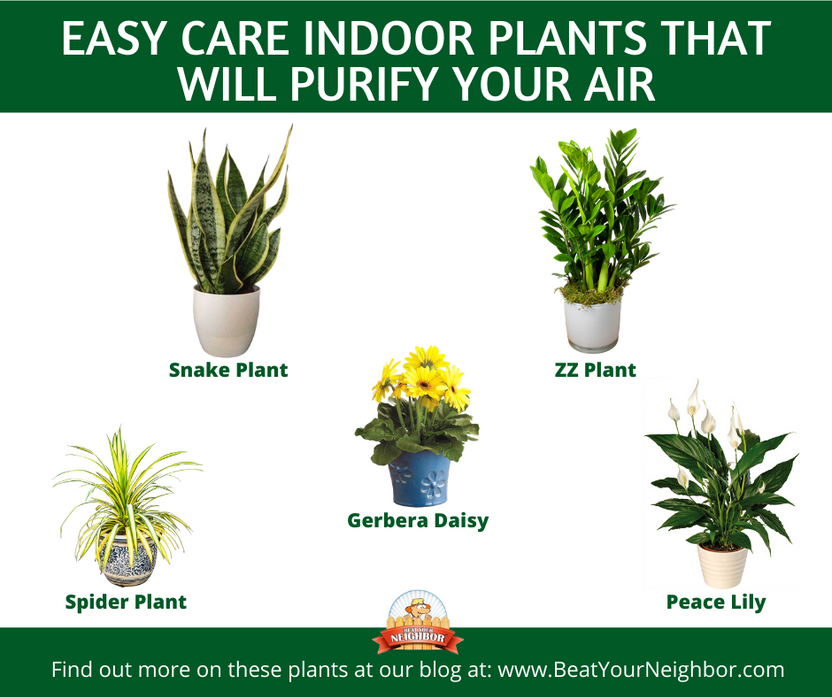
Stay Hydrated to Support Lung Function
Drinking enough water helps keep the respiratory tract moist. This allows the lungs to remove toxins more easily. Warm water is especially helpful during winter and high pollution days.
You can also include warm herbal drinks like tulsi water, ginger tea, or turmeric milk. These help reduce inflammation in the lungs and improve immunity.
How to Maintain Fitness Without Damaging Your Lungs
Choose Indoor Workouts on High Pollution Days
On days when pollution levels are very high, avoid outdoor running, cycling, or walking near traffic. Instead, focus on indoor exercises. You can stay fit even at home with simple workouts.
Some good indoor fitness options include:
- Yoga
- Stretching exercises
- Bodyweight workouts
- Light strength training
- Dance workouts
These exercises improve circulation and fitness without exposing your lungs to polluted air.
Practice Breathing Exercises Daily
Breathing exercises are one of the best ways to strengthen your lungs naturally. They improve oxygen intake, clear the airways, and calm the nervous system.
Simple breathing practices you can try:
- Deep belly breathing
- Slow inhalation and long exhalation
- Alternate nostril breathing
- Gentle breath holding (only if comfortable)
Practicing breathing exercises for 10–15 minutes daily can greatly improve lung capacity over time.
Adjust Workout Intensity During Pollution
During high pollution periods, reduce workout intensity. Instead of heavy cardio, choose moderate exercises. Listen to your body. If you feel breathless, dizzy, or uncomfortable, stop immediately.
Fitness is not about pushing hard every day. It is about consistency and smart choices that support long-term health.
Foods That Help Protect Lungs from Pollution
Eat Foods Rich in Antioxidants
Pollution increases oxidative stress in the body. Antioxidants help fight this damage and protect lung cells.
Include foods like:
- Amla
- Oranges and lemons
- Tomatoes
- Green leafy vegetables
- Carrots
- Berries
These foods support lung repair and boost immunity.
Add Anti-Inflammatory Foods to Your Diet
Polluted air causes inflammation in the lungs. Anti-inflammatory foods help reduce this effect.
Some good options are:
- Turmeric
- Ginger
- Garlic
- Nuts and seeds
- Olive oil
Including these regularly can help your lungs recover faster from pollution exposure.
Avoid Foods That Increase Mucus
Certain foods can increase mucus production, making breathing more difficult during pollution. Try to limit:
- Excess dairy products
- Fried foods
- Sugary snacks
- Processed foods
Eating light, fresh, and home-cooked meals is best during high pollution periods.
Lifestyle Habits That Support Lung Health
Get Enough Sleep
Sleep allows your body to repair itself. Poor sleep weakens immunity and increases inflammation. Aim for 7–8 hours of quality sleep every night to support lung healing and overall fitness.
Manage Stress for Better Breathing
Stress affects breathing patterns and reduces lung efficiency. Simple activities like meditation, prayer, light stretching, or listening to calming music can help relax the mind and improve breathing.
Regular Health Checkups
If you live in a highly polluted area, regular health checkups are important. Early detection of breathing issues can prevent serious problems later. Do not ignore symptoms like persistent cough, wheezing, or breathlessness.
How Children and Elderly Can Stay Safe During High Pollution
Children and elderly people are more sensitive to pollution. They should avoid outdoor exposure as much as possible on high pollution days. Encourage indoor play for children and gentle movement for seniors. Ensure they eat nutritious food and stay hydrated.
Long-Term Tips to Build Strong Lungs Naturally
Building strong lungs takes time, but small daily habits can help:
- Walk in green areas whenever possible
- Practice breathing exercises regularly
- Keep your home clean and ventilated
- Avoid smoking and second-hand smoke
- Stay physically active throughout the year
Consistency is more important than intensity.
Frequently Asked Questions (FAQ)
Is it safe to exercise during high pollution?
It depends on the pollution level. During very high pollution, it is better to exercise indoors. If pollution is moderate, choose low-intensity workouts and avoid busy roads.
Can pollution permanently damage lungs?
Long-term exposure to high pollution can cause lasting damage. However, with proper care, healthy habits, and early prevention, lung health can be protected and improved.
Which exercise is best for lungs during pollution?
Breathing exercises, yoga, stretching, and light strength training are best during pollution. These improve lung function without excessive air intake.
Do indoor plants really help with air quality?
Indoor plants can improve freshness and humidity, but they are not a complete solution. Proper ventilation and cleanliness are equally important.
How much water should I drink to protect my lungs?
Drink enough water so that your urine is light in color. Warm water and herbal drinks are especially helpful during pollution seasons.
Final Thoughts
High pollution is a reality we cannot always control, but how we protect our health is in our hands. By making smart choices, adjusting fitness routines, eating the right foods, and practicing daily breathing exercises, you can protect your lungs and stay fit even in polluted environments.
Healthy lungs mean better energy, stronger immunity, and a more active life. Start with small changes today, and your body will thank you in the long run.


